
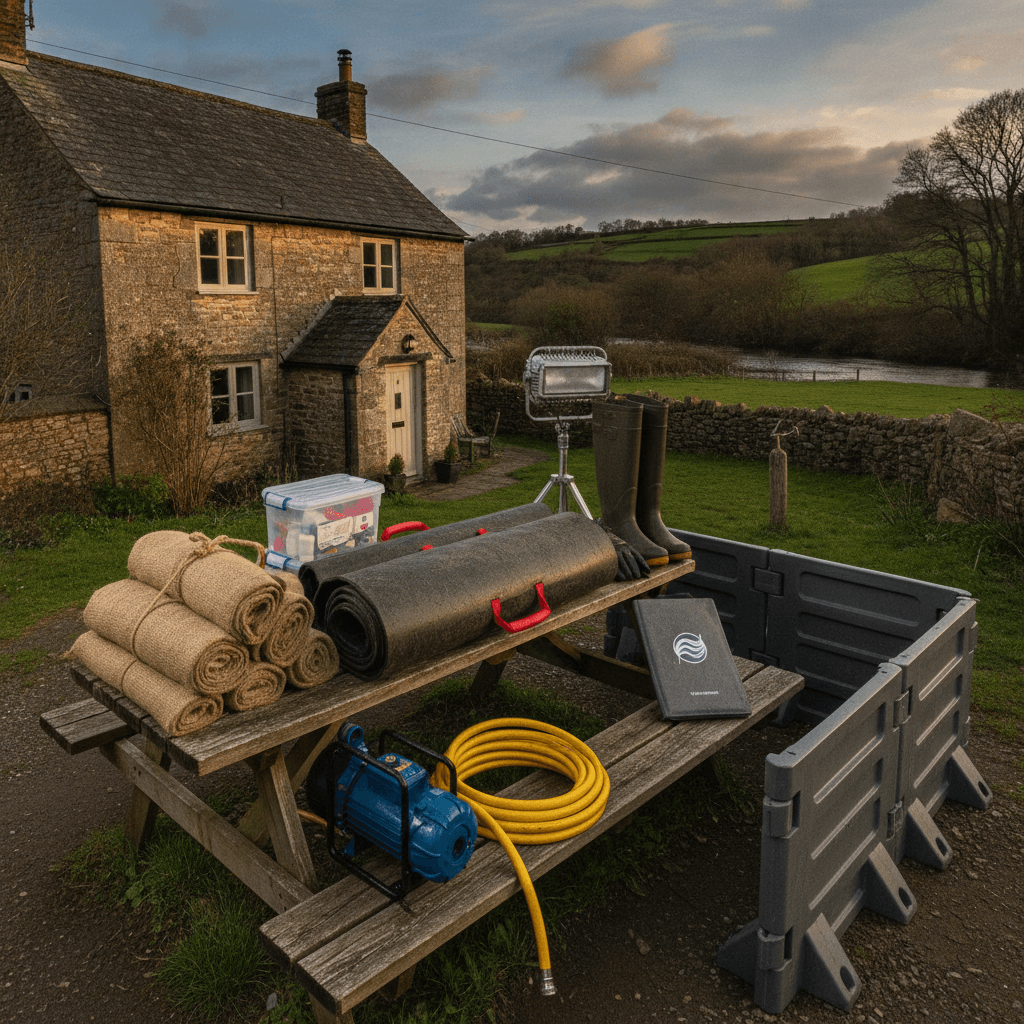
Living in Devon offers such beauty and charm but it also comes with a unique set of challenges. One of the biggest concerns for many homeowners in our lovely county is the risk of flooding. I have seen firsthand how devastating flood events can be, disrupting lives and causing immense damage.
The good news is that we are not powerless against these natural occurrences. We can take proactive steps to protect our homes and communities. This preparation is not just about reacting when disaster strikes but about building resilience before it happens.
That is why I believe every homeowner in Devon needs a strong understanding of flood resilience. This guide is designed to be your comprehensive resource a toolkit for facing flood risks head-on and securing your property for the long term.
Understanding Flood Risk in Devon
Devon’s diverse landscape, with its rivers, coastline, and rolling hills, makes it particularly susceptible to various types of flooding. Our geographic features and changing weather patterns mean that residents often face more than one kind of water threat. I have seen areas prone to river flooding after heavy rains and others vulnerable to coastal surges during high tides.
Surface water flooding is also a common issue. This happens when intense rainfall overwhelms drainage systems, causing water to pool in streets and low-lying areas. It can quickly find its way into homes and gardens. Understanding these different risks is the first step toward effective protection.
The impact of flooding on a home goes beyond visible water damage. It can affect foundations, electrical systems, and personal belongings. Emotional distress and financial burdens often follow a flood event. This means preparing effectively can save a lot of heartache and money down the road.
We must acknowledge the realities of our local climate. Increasing rainfall intensity and rising sea levels are factors we can no longer ignore. Planning now will make a significant difference in how well our homes withstand future events.
What is the Devon Homeowners Flood Resilience Toolkit?
The Devon Homeowners Flood Resilience Toolkit is a collection of resources and practical advice. It empowers you with the knowledge and tools needed to assess your risk and implement protective measures. I see it as a roadmap for creating a safer home environment. This toolkit covers everything from understanding local flood warnings to making physical changes to your property.
Its primary purpose is to move homeowners from a reactive stance to a proactive one. Instead of waiting for a flood to happen, you can identify potential vulnerabilities and address them beforehand. This approach minimizes damage and helps you recover faster if an event occurs.
The toolkit includes guidance on creating personal flood plans and lists of useful contacts. It also gives information on available financial support for flood protection. You can learn about specific measures to fortify your home and where to get expert advice. For a deeper dive into assessing your risk, I recommend checking out this guide on property flood resilience.
We developed this toolkit with local conditions in mind. It ensures the advice is relevant and actionable for Devon residents. We believe that informed homeowners are resilient homeowners.
Essential Steps for Proactive Flood Preparedness
Proactive flood preparedness starts with a thorough assessment of your property and surroundings. I always advise people to first identify if their home is in a high-risk area. You can usually find this information through local council websites or national flood risk maps. This initial step helps you understand your specific level of vulnerability.
Once you know your risk, the next step is to create a detailed household flood plan. This plan should include evacuation routes and designated meeting points. It must also list essential items to take with you if you need to leave quickly. Think about what your family would need if you had to evacuate.
Gathering important documents in a waterproof bag is another crucial part of your plan. This includes insurance policies, identification, and contact details. Keeping these accessible saves valuable time and stress during an emergency. It is a small step that makes a huge difference.
Establish a list of emergency contacts, including local emergency services and utility providers. Knowing who to call and when is vital. I always tell people that communication lines can be tricky during a flood so having this information readily available is key.
Property-Level Flood Protection Measures
Implementing physical flood protection measures at your property offers a strong defense against water intrusion. There are many options available. These range from simple DIY solutions to more complex professional installations. I have seen homeowners successfully use a combination of these methods to safeguard their properties.
Waterproof barriers for doors and windows are a popular choice. They can be installed quickly when a flood warning is issued. These barriers stop water from entering through vulnerable openings. Sandbags are a traditional option but modern flood barriers are often more effective and easier to deploy.
Elevating electrical outlets and appliances helps protect them from rising water. Moving important items to higher floors is also smart. These actions can significantly reduce damage and the cost of repairs. I always advise checking your home’s existing flood defenses and identifying areas that need improvement.
External Flood Protection Solutions
External measures focus on preventing water from reaching your home’s immediate perimeter. Installing flood-resistant landscaping can help divert water away from your foundation. This could involve creating gentle slopes or using permeable paving materials.
Automatic air brick covers are another effective solution. They seal off vents when they detect rising water. These smart devices provide peace of mind because they act automatically when you need them most. We also recommend checking the condition of your drains and gutters regularly.
Backwater valves in your drainage system can prevent sewage from backing up into your home. This is especially important in areas prone to urban flooding. Consulting with a flood resilience expert can help you identify the best external strategies for your specific property layout.
Internal Flood Protection Strategies
Internal flood protection aims to minimize damage if water does manage to enter your home. Using water-resistant materials for floors and walls is a good starting point. Tiled floors and plasterboard treated to resist moisture are much easier to clean and dry out.
Installing sump pumps in basements or crawl spaces is highly effective. These pumps automatically remove water as it accumulates. They prevent water levels from rising too high. I have seen sump pumps save many homes from extensive basement flooding.
Relocating important documents and valuables to higher storage or waterproof containers is a simple but critical step. You might also consider elevating furniture with risers. These small adjustments can protect cherished belongings and reduce post-flood recovery efforts significantly.
Community Engagement and Local Resources
Working together as a community makes us all stronger against flooding. I encourage homeowners to get involved with local flood action groups. These groups share valuable local knowledge and coordinate efforts. They provide a support network that is so helpful during stressful times.
Signing up for local flood warning systems is essential. The Environment Agency offers alerts that can give you crucial time to prepare. Knowing when and where flooding is expected allows you to deploy your flood defenses and enact your household plan. We cannot overstate the importance of these timely warnings.
Understanding your insurance policy is also a vital part of your flood resilience toolkit. Not all home insurance policies cover flood damage so check your coverage carefully. If you are in a high-risk area, you might need specialized flood insurance. I always advise people to speak with their insurance provider to understand their options fully.
Many local authorities and charities in Devon offer resources and advice for flood preparedness. They can sometimes provide grants or support for installing flood protection measures. Reach out to them to see what assistance is available in your area. This community support is a valuable asset.
Maintaining Your Flood Resilience Measures
Installing flood resilience measures is only half the battle. Regular maintenance ensures they remain effective when needed most. I compare it to maintaining a car because you would not expect it to run perfectly without regular checks. Your flood defenses need the same attention.
Inspect your flood barriers and seals annually. Look for any signs of wear and tear or damage. Make sure all components are in good working order. If you have a sump pump, test it periodically to ensure it is functioning correctly and clear of debris.
Clear your gutters and drains regularly. Blockages can contribute to surface water flooding around your home. Trim back trees and bushes near your property to prevent debris from washing into drainage systems. These small maintenance tasks prevent bigger problems.
Review and update your household flood plan at least once a year. Family members change and emergency contacts might need updating. Ensure everyone in your household knows their role in the plan. This ongoing commitment to maintenance and review keeps your toolkit sharp and ready.
Securing Your Home and Future Against Flood Damage
Building a robust Devon Homeowners Flood Resilience Toolkit is a vital investment in your property and peace of mind. I have shared many practical steps and resources that I believe can make a real difference for you. From understanding your specific flood risks in Devon to implementing physical protection measures, every action contributes to a more secure home. We have also discussed the critical role of community engagement and the importance of regular maintenance for your flood defenses. Being prepared is not just about avoiding damage it is about ensuring the continuity of your life and protecting your most valuable asset. I strongly encourage you to take these insights and begin building or enhancing your own flood resilience plan today. Start by checking your local flood risk and then explore the various protection options suitable for your home. Your efforts now will safeguard your home and family against future flood events.